
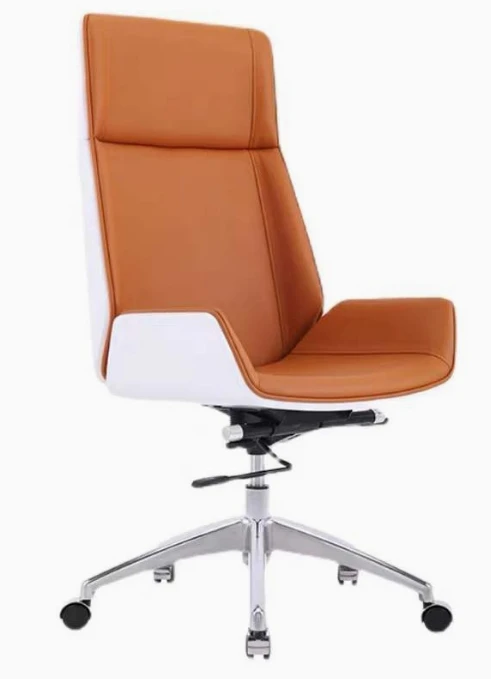
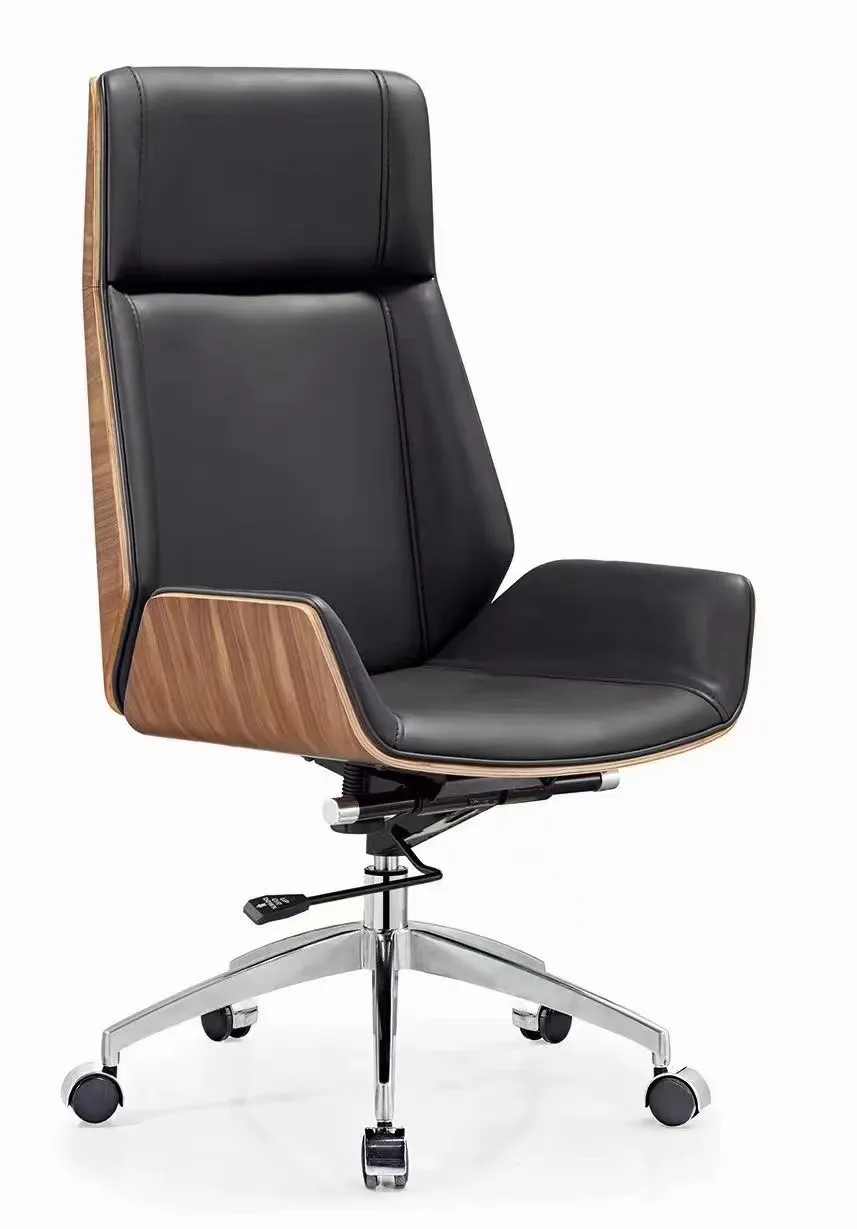
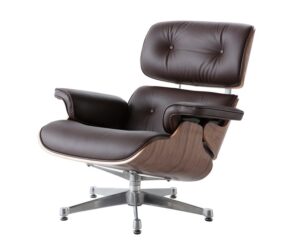
Bring fresh mid-century modern style straight to your European workspace with the d244 high back pu leather plywood swivel office chair tan brown. This premium high back replica features soft tan brown PU leather cushions on a clean molded plywood shell with a sleek chrome base. Perfect for modern home offices or bright professional setups across the EU, it delivers full adjustability so you stay comfortable and focused during long hours at your computer desk.
The Classic Look of This High Back Swivel Office Chair
Inspired by iconic mid-century designs from Charles and Ray Eames, the D244 high back swivel chair brings clean lines and real comfort to everyday work. The molded plywood shell and cushioned seat give it that timeless shape people love. Our version keeps the good parts with solid materials that feel nice to use.
Premium Materials and Solid Build
We built this tan brown high back swivel office chair with stuff that lasts and looks sharp.
- Soft tan brown PU leather that wipes clean easily
- Molded plywood shell for natural strength and style
- Thick foam cushions with fire-retardant filling
- Chrome metal base with smooth wheels
- Height adjustment and tilt mechanism
Comfort for All-Day Work
Yes, this chair swivels a full 360 degrees, tilts gently and adjusts in height from 45 to 55 cm seat height. The high back gives good support to your spine, and the seat is cushioned just right so you don’t feel worn out after hours. Raise or lower it to fit your desk, swivel to grab things easily, and tilt back when you want a quick break. Really helps with posture and staying focused.
Dimensions and Specifications
| Feature | Measurement |
|---|---|
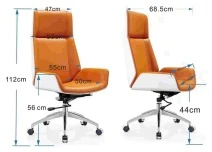
| Overall height (adjustable) | 108–118 cm |
| Seat height (adjustable) | 45–55 cm |
| Backrest height | 63 cm |
| Seat width | 52 cm |
| Seat depth | 49 cm |
| Weight (approximate) | 12 kg |
Care and Maintenance for Longevity
- Wipe the PU leather with a soft damp cloth regularly
- Use mild soap for spills – nothing strong
- Dust the base and wheels occasionally
- Keep out of direct sun to hold the colour
- Tighten screws if they loosen over time
Peace of Mind – Warranty, Delivery and Returns
- 2-year warranty covering any problems
- Fast delivery across the EU – usually 2–5 working days, handling time 1–2 days
- Free shipping on orders over €95
- 30-day hassle-free returns
- Secure packaging to arrive safe
- White-glove delivery if you want
Why Choose This Premium High Back Swivel Office Chair?
This tan brown high back swivel office chair has that classic Eames style everyone recognises, but at a price that makes sense. Originals are super expensive, but this one gives you the look and comfort with good PU leather and solid plywood build. Cheaper ones often feel flimsy or wear out fast, but this has proper cushioning, smooth adjustments, and a base that stays stable.
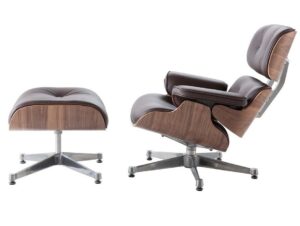
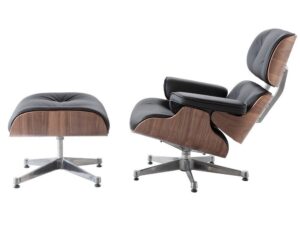
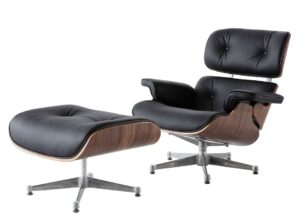
Browse our full Eames-style office chair replicas collection or pair it with our Eames lounge chair replica for a complete executive look.
Frequently Asked Questions
Is this a genuine Eames D244 chair?
No, this is a premium Eames-style reproduction built to the exact original proportions and quality standards at a far more accessible price.
What is the difference between D244 and EA119?
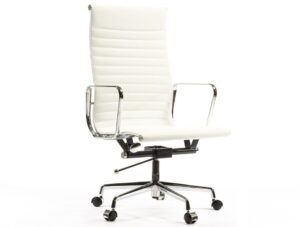
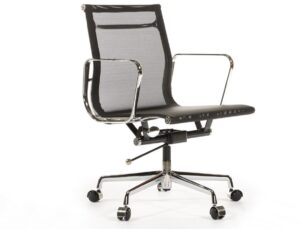
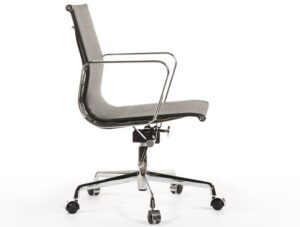
The D244 uses a molded plywood shell for natural flex and lighter weight, while the EA119 has a full aluminium frame with ribbed leather for a sleeker executive look.
How comfortable is the tan brown PU leather for long hours?
Very comfortable. The cushioned seat and high back keep you supported during extended computer work.
Does the D244 chair swivel and adjust height?
Yes – full 360-degree swivel and smooth height adjustment make it perfect for any desk setup.
How easy is assembly?
Really straightforward – just follow the guide, quick job with all tools included.
Will it fit under standard European desks?
Yes. The adjustable seat height works perfectly with typical 72–78 cm desks common across the EU.
How do I clean the tan brown PU leather?
Wipe with a soft damp cloth and mild soap. Quick spot cleaning keeps the warm tone looking fresh.
Ready to add fresh mid-century style to your workspace? Add the d244 high back pu leather plywood swivel office chair tan brown to your cart today. Limited stock in this beautiful tan brown – order now and enjoy fast EU delivery plus comfortable workdays.
Reviews
There are no reviews yet.